
BGA rework can expose a moisture-sensitive package to another reflow-level thermal cycle, even after the board has operated successfully for years. Moisture absorbed during storage or service can create internal damage when the package is heated. Preparation therefore depends on component identification, exposure history and the approved drying instructions, rather than a universal bake recipe.
The practical question is whether each affected device is ready for the planned heating process. That includes the replacement component and neighboring devices heated by the work. A controlled BGA rework process connects material handling records with thermal profiling and inspection, so the next operator can verify readiness rather than infer it from appearance.
Nonhermetic packaging materials can absorb moisture from the surrounding atmosphere. During rapid heating, moisture and the resulting internal stresses can contribute to cracking or separation between package layers. Severe events may produce visible damage, but internal delamination can occur without an obvious external symptom.
A component that survived its first assembly cycle is not automatically ready for a later one. The package may have absorbed moisture while the board was stored, transported or used. Existing electrical functionality provides no direct measurement of its moisture condition before desoldering.
Localized heating also requires a wider view than the target component. A nozzle can concentrate heat, while bottom preheating warms a larger board area. Identify nearby moisture-sensitive devices whose package temperatures require moisture-handling precautions during the actual profile. Do not assume a component outside the nozzle footprint remains thermally unaffected.
Moisture conditioning and thermal profiling solve different problems. Drying addresses the moisture state; profiling controls heating and cooling during removal or installation. A gentle-looking profile does not establish that a wet package is acceptable, and a correctly dried package can still be damaged by excessive temperature or an unsuitable ramp.

Floor life describes allowable exposure under specified environmental conditions before the next relevant soldering operation. The moisture sensitivity level, or MSL, must be read with those conditions and the package's classification information. It is not a general rating for outdoor operation or long-term storage.
Obtain the exact part number and package variant, then check the supplier's label and current handling instructions. Different packages within a device family can have different classifications. A distributor description that names the electrical device but omits the package suffix is insufficient for this decision.
Count exposure across the actual handling route: receiving inspection, kitting, alignment, waiting at the station and any interruptions. Returning material to storage does not automatically erase its previous exposure. Whether storage pauses the exposure clock or provides a defined recovery depends on the controlled conditions and the applicable procedure.
Record | Why it matters | Action before release |
Exact package and MSL | Establishes the applicable handling basis | Match to supplier documentation |
Bag opening and ambient exposure | Tracks use of available floor life | Reconcile time and conditions |
Dry storage or bake history | Documents conditioning | Verify the process was applicable |
Planned heating footprint | Identifies other affected packages | Review neighboring-device limits |
For a board returned from service, complete exposure-time records may be unavailable. Record that limitation honestly and use an engineering-approved preparation route. Assigning an arbitrary opening time to an old board creates apparent traceability without establishing its moisture condition.
No. The need for baking follows the package instructions, exposure status and applicable process requirements. A properly controlled replacement component with valid records may already be ready for use. Automatically baking every part can add avoidable thermal exposure and handling risk.
When drying is needed, distinguish a loose component from a populated PCB. An oven cycle acceptable for the target BGA may exceed the limits of batteries, displays, connectors, labels, adhesives or other installed materials. Review the whole assembly and remove or protect incompatible items only through an approved preparation method.
Do not copy a bake time from a different package thickness, MSL or exposure condition. Temperature and duration must come from the applicable supplier guidance and controlled handling procedure. Lowering the temperature while guessing a longer duration does not establish equivalent drying.
Use suitable carriers and verify the oven's actual operating conditions. Trays, tape, reels and temporary fixtures may have lower temperature limits than the component itself. Excessive or repeated baking can also affect solderability, so maintain the cumulative conditioning record instead of treating every bake as consequence-free.
A BGA repair station should not be treated as a drying oven unless a specific conditioning process has been established for that purpose. A localized preheat immediately before removal does not by itself document that absorbed moisture has been adequately removed.
A useful dry-pack record links the material to its identity, package label, seal condition, opening event and subsequent storage. Inspect the moisture-barrier bag, desiccant and humidity indicator according to the applicable instructions. A bag that looks neatly resealed is not proof that the contents were dry when sealed.
Humidity indicators provide information about conditions inside the packaging; they do not directly measure moisture inside every package. Interpret the card alongside the label, bag integrity and handling history. Photographing an indicator without recording when the bag was opened leaves an important gap.
Unknown exposure should trigger a controlled disposition. Separate material awaiting review from material released for rework, and record what is unknown. Check whether receiving, warehouse or production records can recover the history before selecting a conditioning route. Avoid combining untraceable and controlled parts in the same tray.
For removed devices, retain the board identity and removal history with the component. A recovered BGA component has already experienced removal heating and may also need cleaning, inspection or reballing. Its next thermal operation should be assessed using that accumulated history, not the status of a new part supplied in its original dry pack.
An example is a replacement BGA opened for incoming inspection and then returned to a drawer. If the opening time and storage conditions are missing, the original supplier seal date cannot demonstrate present readiness. Recover the exposure history where possible; otherwise, assess and condition the component through the approved procedure before release.
Conditioning is useful only if the part remains controlled afterward. Plan the bake, cooling, transport and rework sequence together. Keep the material in a suitable dry environment while it cools where the procedure requires it, then transfer it with its identity and release status intact.
Prepare the station before releasing conditioned material. Confirm the fixture, nozzle, replacement part, flux and validated program are available. A part should not spend its available exposure time waiting while an operator searches for tools or develops a profile.
Define what happens during interruptions. If a shift ends, the machine stops or an inspection hold begins, record the time and return the material to the specified storage. Apply the controlled procedure to determine the remaining allowance; do not reset the exposure record merely because a new operator takes over.
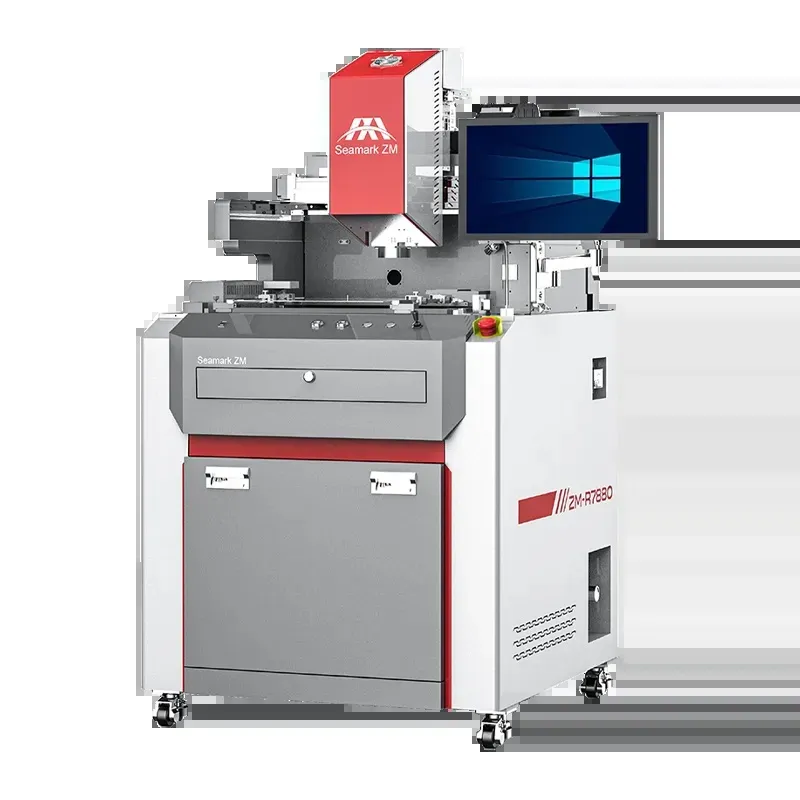
When specifying a rework system, consider how its job records connect with the material handling process. The heating recipe and the moisture release record answer separate questions and should both be available for the assembly being processed.
After rework, follow the product's inspection and storage requirements. If another reflow-level operation is anticipated, preserve the relevant exposure and thermal history. The completion of one successful soldering operation does not make future moisture control unnecessary.
No. Package construction, thickness, classification and exposure affect the applicable conditioning route. Populated boards introduce additional material limits that also need review.
No. Electrical operation before removal does not establish the package's behavior during the next high-temperature cycle. Assess moisture readiness separately from fault diagnosis.
No. Its effect depends on humidity, duration and the applicable controlled procedure. Record the actual conditions and use the defined storage or recovery rules.
Tools cannot replace handling control. The process also needs identified material, suitable conditioning, valid records and a thermal profile that respects affected components.
Prepare moisture-sensitive BGA rework by establishing package identity and exposure status before heating. Use the correct conditioning instructions, check the entire populated board's limits and control the interval between drying and rework. When history is unknown, a documented disposition is more useful than an assumed floor-life allowance.
· NASA / Jet Propulsion Laboratory: NASA Guidelines for BGA and DSBGA Selection and Application
 EN
 es
 ko
 de
 it
 pt
 th
 ar
 pl
 vi
 tr
 ru