
Flux for a BGA rework system should be selected as part of the complete soldering and cleaning process. The right material must support wetting and placement during the actual thermal profile, while leaving residue that is acceptable for the assembly's operating environment or removable by the qualified cleaning method. Choosing by tack or the words “no-clean” alone leaves important questions unanswered.
Repair teams need to control the flux identity, applied quantity, storage history and downstream inspection. A change that improves handling can still create residue or cleaning problems beneath the package, where access is limited and ordinary visual inspection cannot confirm the final condition.
Begin with the solder alloy, surface finishes, component geometry and intended cleaning route. Then check the candidate flux's technical information for its recommended use and process conditions. A material intended for one application method may not behave predictably when brushed generously onto a BGA site or heated through a different profile.
Consider the assembly's end use. Fine conductor spacing, high-impedance circuits, humidity exposure and conformal coating can make residue compatibility especially important. A flux classification provides useful material information, but it does not qualify every applied quantity, heating condition or package geometry. Validate the complete rework process with the selected flux, applied quantity, thermal profile and cleaning method.
When selecting a BGA rework system, establish how the equipment and work instruction control flux application. Consistent heating is useful, but it cannot compensate reliably for uncontrolled chemistry or a different flux layer on every board. Record the exact product and lot rather than a generic description such as “tacky flux.”
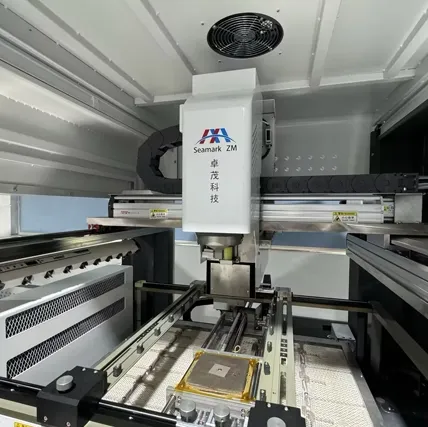
Tack helps keep a component positioned during handling, but high tack is not a direct measure of soldering performance. Flux also assists oxide removal and wetting under its intended processing conditions. A part that stays in position can still form unacceptable joints if the flux is unsuitable, poorly distributed or no longer in its intended condition.
Control the amount and location of application. Excess material can make residue removal more difficult, interfere with handling or obscure visual observations. Too little or uneven coverage can leave some interfaces without adequate process chemistry. Establish a repeatable application method appropriate to the ball pattern, using dispensing, printing or another qualified approach.
For BGA rework, verify the thermal profile with the selected flux and assembly rather than treating the flux as a cure for an inadequate profile. Preheat duration and the later heating stages affect material behavior. If the component shifts or wetting becomes inconsistent, review application and heating together instead of adding an uncontrolled extra quantity.
Keep preparation consistent during a comparison trial. Different pad cleaning, residual solder volume or operator technique can hide the effect of the flux itself. Use representative samples, record deviations and compare both attachment results and the residue condition after the complete process.
“No-clean” describes a material intended to permit residue retention under suitable conditions; it does not mean residue is absent or acceptable in every application. The actual result depends on the material, quantity, thermal treatment and environment. Customer cleanliness requirements and coating compatibility can still require cleaning or additional qualification.
A cleaning requirement changes the selection problem. The chemistry must be compatible with the cleaner, and the assembly geometry must permit access, rinsing and drying. Partially dissolving residue without removing the resulting material can leave a different condition from either a qualified uncleaned process or a fully qualified cleaning process.
Selection question | Evidence to request |
Can residue remain? | Process and end-use qualification with the intended flux quantity |
Must the site be cleaned? | Demonstrated removal, rinse and drying method |
Will coating be applied? | Compatibility evidence for the actual residue and coating system |
Does the package restrict access? | Representative low-clearance cleaning trials |
Do not use residue color, shine or apparent dryness as an electrical reliability test. Surface insulation resistance methods assess relevant electrical effects under defined conditions. Their role is different from cosmetic inspection, and the test vehicle and exposure must represent the question being investigated. A supplier's material result is valuable background, not automatic proof for a changed rework process.
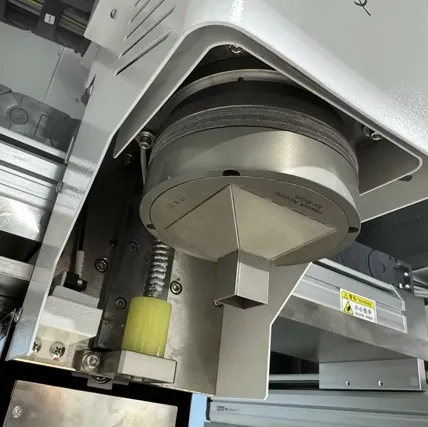
Follow the flux manufacturer's specified storage range, shelf life, conditioning and working-life instructions. These values vary by product. Track when a container is opened and when material is transferred to a dispenser. If chilled storage is required, follow the prescribed conditioning method before opening rather than exposing the contents to uncontrolled condensation.
Viscosity changes can arise from temperature, solvent loss, aging or contamination. They may alter dispensing volume and coverage even when the operator uses the same setting. A flux that strings, separates or dispenses inconsistently should be assessed against its product guidance. Appearance alone cannot establish whether a material remains acceptable.
Do not restore flow by adding an unapproved solvent. That changes composition and can invalidate the process assumptions. Similarly, topping up a partly used container can obscure lot identity and storage history. Use a defined material handling system that keeps opened, in-use and expired material distinguishable.
Check the dispensing equipment as well as the flux. A restricted tip or inconsistent pressure can resemble a viscosity problem. Before changing the material or recipe, compare dispenser output under controlled conditions and inspect the contact surfaces. Troubleshooting one factor at a time preserves the ability to identify what actually changed.
Yes. A flux change can affect placement stability, wetting, residue and cleaning performance. The effect may be favorable in one respect and unfavorable in another. Qualification should therefore extend beyond the immediate count of boards that power on after rework.
Use a controlled comparison with the existing process where available. Keep component type, board construction, preparation, alloy and inspection criteria consistent. Record first-pass results, rework attempts, observed defects, residue condition and relevant electrical measurements. Separate operator or equipment deviations from material-related findings before drawing conclusions.
Include downstream steps. If the assembly is cleaned, evaluate the actual wash, rinse and drying sequence. If coated, assess coating application and compatibility. Where the operating environment makes leakage or electrochemical effects significant, a representative electrical reliability assessment may be appropriate. Document the test conditions and assess reliability only within the demonstrated scope.
An appropriate BGA inspection system can help compare structural defects detectable by X-ray, but ordinary X-ray inspection cannot certify flux residue cleanliness. Keep joint imaging, chemical residue assessment and electrical verification as complementary evidence, with each tied to its own acceptance criteria.
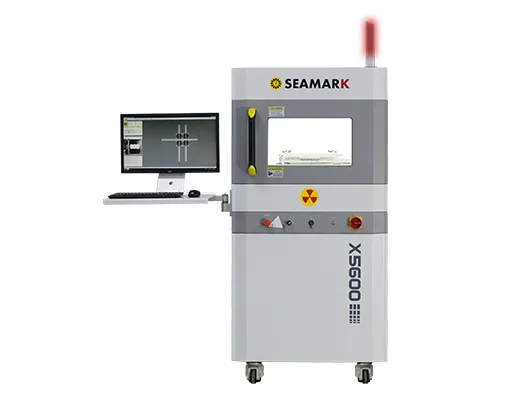
For teams comparing BGA rework tools, include the practical controls that maintain the qualified result: application repeatability, recipe retention and accessible inspection records. Once a flux is approved, define what changes require review, including a different formulation, dispensing method or cleaning chemistry. A nominally equivalent replacement should not enter production unnoticed.
For example, a substitute flux may dispense more easily and reduce visible placement movement, while leaving a larger residue after the same heating sequence. That is a mixed result rather than an immediate approval. Check the applied quantity first, then compare attachment, cleaning and relevant electrical behavior under controlled conditions. A handling improvement should not conceal a downstream process change.
Maintain a reference record for the approved material and method. It can include product identity, conditioning instructions, the application setup and photographs of typical coverage on a development sample. Define how an operator should respond to unexpected dispensing or residue behavior. That response should preserve the suspect material for assessment rather than silently changing the recipe to make it appear normal.
No. Tack is one handling property. Wetting performance, applied quantity, residue compatibility and cleaning requirements must also suit the assembly and profile. Excessive tack cannot compensate for an unsuitable soldering process.
Sometimes, using a compatible and qualified method. “No-clean” does not specify which solvent will remove the residue or whether the cleaner can reach beneath the package. Confirm the complete cleaning route with representative assemblies.
Avoid unqualified mixing. Different materials can create a residue and heating response that neither individual product qualification represents. Follow a defined preparation method and review unavoidable interactions before use.
Yes, but immediate yield is only the first observation. Review residue, cleaning and any relevant environmental or electrical qualification before accepting the substitution as a permanent process change.
Flux selection for a BGA rework system connects chemistry, application, heating and final assembly requirements. Choose a material that performs within the real process and has an acceptable residue or a demonstrated cleaning route. Control storage and application, then qualify substitutions through meaningful joint and electrical evidence rather than appearance alone.
· IPC / Global Electronics Association: IPC-TM-650 2.6.3.3B: Surface Insulation Resistance, Fluxes
· IPC / Global Electronics Association: IPC-TM-650 2.6.3.7: Surface Insulation Resistance
 EN
 es
 ko
 de
 it
 pt
 th
 ar
 pl
 vi
 tr
 ru